Category Archives: Uncategorized

17Apr/26
Scalping in forex and who it really suits

Scalping in forex and who it really suits

Understanding Scalping in Forex

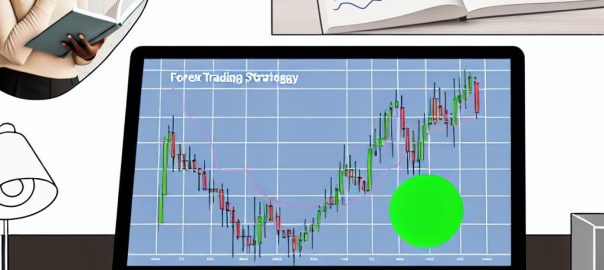
Forex scalping is a high-speed trading strategy that is designed to capitalize on very small price movements in the foreign exchange market. This methodology sees traders making a high number of trades within short time frames, ranging from minutes to even seconds. The primary goal that scalpers aim to achieve is to capture small profits repeatedly, with the hope that these minor gains aggregate to a significant amount over time. The strategy demands a unique set of skills and is ideal for traders with a specific mindset and abilities.

How Scalping Works in Forex

The fundamental concept behind scalping is to exploit minute discrepancies in price that result from order flows or the prevalent spreads in the market. Scalpers typically utilize high-frequency trading platforms paired with tick charts, enabling them to trade repeatedly within a confined span of time. The chief objective is to gather small profit margins while keeping risk exposure to a minimum by avoiding prolonged position holding.

Technical Analysis: The backbone of scalping lies heavily in technical analysis. Traders who favor this strategy deploy various indicators such as moving averages, Bollinger Bands, and the Relative Strength Index (RSI) to derive swift trading decisions. These tools help them interpret market conditions efficiently and identify entry and exit points for their trades.

Market Liquidity: Preferable currency pairs for scalping generally include those with high liquidity like EUR/USD, GBP/USD, and USD/JPY. The tighter spreads found in these pairs make them suitable candidates for scalping, providing the opportunity for consistent small profits and easier execution of trades.

Who is Scalping Suitable For?

Engaging in forex scalping is not a strategy that suits every type of trader. It is best aligned with those who possess specific skills and display a distinct tolerance for risk. To truly find success in scalping, traders should embody certain characteristics and achieve particular proficiencies:

Fast Decision Making: Scalpers must execute decisions rapidly and with precision. This necessitates an in-depth comprehension of market dynamics and the ability to forecast price trends with agility, taking immediate action when opportunities arise.

Discipline and Focus: The nature of scalping demands a steady dedication and concentrated focus. Traders have to adhere strictly to their game plan, maintaining consistency without letting emotions or extraneous factors sway their judgment.

Patience for Small Gains: Central to the scalping methodology is the approach of embracing small, steady profits. Scalpers need to exercise patience and remain focused on the accumulation of incremental returns, recognizing that large profit margins are atypical within this strategy.

High-Risk Tolerance: The fast-paced environment intrinsic to scalping naturally comes with heightened risks. Traders must be adequately equipped to manage not only rapid gains but also potential losses, as the market can pivot swiftly and unexpectedly.

Pros and Cons of Scalping

Like any trading strategy, scalping presents traders with a unique set of advantages and drawbacks. It’s crucial for traders to weigh these before committing to a scalping approach in forex trading.

Advantages:

  • Scalping facilitates the rapid manifestation of trading results due to the short duration of positions held.
  • Traders can potentially minimize susceptibility to large market shifts that characteristically develop over extended periods.

Disadvantages:

  • High transaction volumes inherent in scalping incite greater transaction costs, which can incrementally erode profits.
  • Constant market oversight is a necessity in scalping, demanding significant mental acuity and stamina, which can lead to trader fatigue over time.
Conclusion

In sum, forex scalping presents a viable money-making venture for traders equipped with the apt skills and mental composition. The pragmatic efficacy of scalping is markedly influenced by trading style, individual risk thresholds, and one’s ability to manage the strenuous conditions of fast-paced trading. Careful deliberation is necessary to assess whether one’s personal attributes align favorably with the requirements of scalping before integrating it into their trading repertoire.

For those keen on expanding their knowledge base on forex trading strategies, a plethora of online resources is accessible. These can offer a detailed understanding and sustained learning experience regarding the complexities of forex markets.

10Apr/26
Day trading versus swing trading in forex

Day trading versus swing trading in forex

Understanding the Basics of Day Trading and Swing Trading in Forex

Forex trading, the exchange of one currency for another in the global marketplace, offers traders the opportunity to earn profits by predicting fluctuations in currency rates. Among the various strategies employed by traders, day trading and swing trading stand out as two of the most popular and distinct methods. Each has its unique characteristics, advantages, and considerations, which investors must understand in order to choose the right approach for their financial goals and lifestyle.

Day Trading in Forex

Day trading entails the buying and selling of currency pairs within one trading day. The objective is to take advantage of small price movements in the market. Day traders often focus their attention on highly liquid currency pairs, which are pairs with a high trading volume, to ensure they can swiftly enter and exit positions with minimal price slippage.

In day trading, the goal is to end each trading day with no open positions, thereby avoiding the risks and uncertainties associated with overnight holdings. This strategy demands careful monitoring and precise timing, as price fluctuations can occur in a short span, requiring traders to make rapid decisions.

Key Characteristics of Day Trading:

  • Time Commitment: Day trading necessitates a significant time investment, as traders must remain engaged with the market throughout the trading hours. This constant involvement allows them to respond quickly to any price movements that may present profit opportunities.
  • Stress Level: Due to the quick pace of trading and the need for rapid decision-making, day trading can be mentally intensive. Traders must maintain high concentration levels and act decisively, which can contribute to elevated stress.
  • Tools: Day traders commonly rely on advanced trading platforms that provide real-time data. Technical analysis, which involves studying and interpreting price charts and indicators, is crucial to identify short-term trading signals.

Swing Trading in Forex

Swing trading, by contrast, is a strategy that attempts to capture gains from currency price movements over a span of several days or weeks. Unlike day traders, swing traders do not close their positions at the end of each day. Instead, they aim to benefit from market “swings” or gradual price movements that occur over a longer period.

This strategy is suitable for those who prefer less frequent market engagement, and it allows positions to remain open longer than a single day but typically not beyond several months.

Key Characteristics of Swing Trading:

  • Time Commitment: Compared to day trading, swing trading requires less constant market surveillance. Traders can spend more time on analysis and less time actively placing trades, making it a potentially more manageable strategy for individuals with other commitments.
  • Stress Level: The lower frequency of trading and the longer timeframe often result in reduced stress levels. Traders have the luxury of making more calculated decisions rather than reacting instantaneously to market changes.
  • Tools: Swing traders usually blend both technical and fundamental analysis to identify entry and exit points. Technical analysis may focus on daily and weekly price charts, while fundamental analysis involves understanding economic news and events that affect currency values.

Comparing Potential Returns and Risks

When comparing the potential returns and risks of day trading and swing trading, the differences become apparent in terms of transaction frequency and risk exposure. Day traders aim for a fast-paced trading environment where profits can accumulate gradually from numerous small trades. However, this approach also means higher transaction costs due to the volume of trades executed daily.

Conversely, swing trading may offer more substantial profits from individual trades, as positions are held longer to capture larger price movements. However, the longer duration also means greater exposure to various market risks, such as geopolitical events or economic announcements that can cause significant price shifts.

Understanding Transaction Costs

Transaction costs play a crucial role in the profitability of a forex trading strategy. These costs include spreads, which are the differences between buying and selling prices, and any commissions charged by brokers. For day traders, transaction costs can be substantial given the high number of trades. It’s essential for day traders to account for these costs when calculating net profits.

Swing traders, executing fewer trades, might incur lower overall transaction costs, which may enhance their net gains. Nonetheless, both types of traders must carefully consider these costs while planning their strategies to ensure that trading activities remain profitable.

Deciding Which Strategy Suits You

Selecting between day trading and swing trading in forex involves assessing personal factors such as time availability, risk appetite, and financial objectives. Individuals with the ability to devote extensive hours to monitor the market and respond rapidly may find day trading appealing. In contrast, those preferring less intensive market engagement might gravitate towards swing trading.

It’s common for traders to experiment with both strategies before identifying which method best aligns with their lifestyle and goals. In either case, a thorough understanding of market dynamics, disciplined execution, and diligent analysis remain critical components of success in foreign exchange trading.

For additional resources and a deeper understanding of forex trading strategies, consider exploring websites such as Investopedia or BabyPips, which offer valuable insights and educational content tailored to traders at all experience levels.

03Apr/26
How to choose a forex trading style that fits your schedule

How to choose a forex trading style that fits your schedule

Understanding Forex Trading Styles

Forex trading, a popular and dynamic financial market engagement, presents an array of trading styles, each with its own unique characteristics, advantages, and time commitments. Your choice of trading style will significantly depend on how much time you can dedicate to trading activities, your risk tolerance, and your individual trading goals. Aligning your trading style with your lifestyle plays a crucial role in enhancing both trading performance and personal satisfaction.

Scalping: Time-Intensive But Potentially Rewarding

Scalping is a fast-paced trading style where participants execute multiple trades throughout the day, seeking to profit from minute price movements. This approach requires traders to be continuously active in the market, as they need to monitor price fluctuations closely and make quick decisions. Given the nature of this method, real-time data access and fast execution speeds are vital.

Who It’s For: Scalping is ideal for individuals who can dedicate several hours daily to actively manage their trading activities. They need a high-speed internet connection and robust trading software to facilitate quick decision-making and order execution. This style suits those with a substantial capacity for concentration and a proficiency in using technical analysis tools.

Day Trading: Balancing Time and Opportunity

Day trading involves buying and selling financial instruments within the same trading day, aiming to capitalize on intraday price movements. Unlike scalping, day trading does not require traders to monitor the market constantly, but it does demand a significant time investment for the analysis and management of trade positions. Importantly, it eliminates the risk of overnight market changes since all positions are closed by the end of the day.

Who It’s For: Day trading suits individuals who have a structured daily schedule allowing for focused trading sessions. It’s appropriate for those who prefer the rhythmic closure of trading activities at the day’s end. Successful day traders often possess a strong foundation in technical analysis and can make informed decisions based on short-term indicators.

Swing Trading: Flexibility for Busy Schedules

Swing trading entails holding positions for several days or even weeks, aiming to capture potential market ‘swings,’ which are intermediate trends in market prices. This style demands less daily screen time compared to scalping or day trading, but it requires a robust understanding of fundamental analysis and market trends, as trades are based on anticipated directional shifts in market conditions.

Who It’s For: Traders with a full-time job or other significant commitments might find swing trading appealing due to its flexibility. It’s ideal for those who cannot continuously monitor the market but can dedicate portions of time to perform in-depth market analysis. Swing traders prioritize understanding the broader implications of market events and news that could influence medium-term price movements.

Position Trading: Long-Term Strategy for the Patient Trader

Position trading involves holding trade positions for extended periods, ranging from weeks to months or even years. Decisions in this style are largely influenced by fundamental and macroeconomic factors rather than short-term price movements. Patience is a key trait for position traders, as they are more interested in long-term market trends and economic forecasts.

Who It’s For: This trading style is suitable for those who prefer a long-term investment perspective and have limited time to monitor market activities continually. Position traders are generally comfortable with risk exposure over more extended periods and often have a substantial acumen in macroeconomic analysis.

Making Your Decision

Selecting the most suitable trading style is crucial and requires a thoughtful reflection on one’s daily schedule, trading experience, risk tolerance, and financial goals. Understanding your personal constraints and preferences is as crucial as acquiring market knowledge. Resources such as financial news platforms or educational sections on trading websites are valuable for gaining insights into various forex trading strategies.

Each trading style offers a distinct set of opportunities and challenges. By understanding what each style entails, traders can better align their trading decisions with their personal and professional lives. Whether it’s the fast pace of scalping, the tactical approach of day trading, the flexibility of swing trading, or the long-term focus of position trading, starting with a solid foundation of understanding will enhance trading effectiveness and satisfaction. As you grow more familiar with your chosen methodology, you’ll refine your approach, improving both your acumen and adaptability in the ever-evolving forex market.

27Mar/26
How to build a forex trading routine that actually sticks

How to build a forex trading routine that actually sticks

Understanding the Importance of a Routine

A well-established forex trading routine is essential for maintaining consistency and discipline in trading activities. It aids traders in efficiently managing their time, making informed and rational decisions, and reducing emotional biases. This organization transforms trading into a methodical and structured process, significantly increasing the probability of achieving long-term financial objectives.

Setting Clear Objectives

To establish a robust forex trading routine, it’s imperative first to define clear objectives. These objectives serve as the foundation upon which your entire trading approach is built. Your goals can be diverse, ranging from using forex trading to supplement your income or transitioning to a full-time trading career. Having these precise objectives in place is critical for shaping both your strategy and your daily routine. It’s essential, however, to ensure these targets are not only realistic but also achievable. They should align with your personal risk tolerance and the timeline you have set for your investment activities.

By having clearly defined goals, you stay focused and driven, minimizing distractions and potential pitfalls that can arise from unclear or unrealistic expectations. When your objectives are firmly in place, they guide every aspect of your trading routine, ensuring all your efforts are directed towards achieving these targets.

Scheduling and Time Management

Effective time management and scheduling are second to none when establishing a successful forex trading routine. The forex market operates around the clock, benefiting from multiple global trading sessions such as those in London, New York, and Tokyo. However, activity levels and market volatility can vary significantly across these sessions. As a trader, it’s crucial to determine which market sessions align best with your strategy.

Moreover, personal availability plays a crucial role in deciding when to trade. If you have other professional or personal commitments, it’s necessary to choose trading times that won’t conflict with your availability. This strategic alignment ensures you can concentrate fully when partaking in trading activities.

Another critical aspect of time management is incorporating regular breaks into your schedule. Trading can be mentally taxing, and fatigue can severely impair decision-making capabilities. By scheduling breaks, you maintain sharp focus and sustain optimal performance levels throughout your trading sessions.

Analyzing and Planning

An integral part of a forex trading routine involves diligent analysis and planning. Before commencing any trading session, thoroughly review economic calendars and current market news. This analysis ensures you’re aware of events and developments that could impact currency pairs, helping you make better-informed trading decisions.

Armed with this information, update your trading plan accordingly. This plan should consist of well-defined entry and exit points based on technical and fundamental analysis. Setting these parameters in advance minimizes the likelihood of making emotionally-driven decisions during trades, which are often detrimental.

Maintaining meticulous records of your plans and analyses is highly beneficial. It provides a comprehensive framework for your trading activities and helps you track what strategies are effective, enabling you to adjust and refine future trading operations.

Executing Trades with Discipline

Executing trades with discipline is a critical element of an efficient forex trading routine. Adherence to your trading plan is paramount, as deviation can expose you to unnecessary risks and potential losses. Ensure rigorous management of position sizes, and utilize stop-loss and take-profit orders. These tools are essential for maintaining control over your trades and safeguarding your capital from unforeseen market fluctuations.

Maintaining consistent execution, based on meticulously pre-planned strategies, not only reduces risk but also amplifies the overall efficiency of your trading routine. It’s vital to remain committed to your plan, avoiding impulsive decisions influenced by short-term market movements, which can disrupt your routine’s effectiveness.

Cultivating this discipline is not easy, but it becomes more manageable with persistence and a strong commitment to your trading goals and principles. Observing these practices regularly develops an inherent discipline, which is invaluable in maintaining a successful trading routine.

Review and Reflect

The post-trading analysis forms another crucial component of a sustainable trading routine. At the conclusion of your trading day, make it a habit to meticulously review each trade executed, analyzing outcomes impartially. Assess deviations from your plan and whether they led to avoidable losses or strategic gains.

This reflective practice is enhanced by maintaining a detailed trading journal. Recording your trades, thoughts, feelings, and outcomes provides invaluable insights, helping you identify trends and areas for improvement. Over time, these records become a goldmine of data, guiding you in refining and optimizing your trading strategies steadily.

More importantly, reviewing and reflecting builds resilience and fosters a proactive approach to learning from both successes and mistakes, ultimately leading to better trading decisions and improved performance over time.

Continuing Education

Continual education is essential for sustaining an effective forex trading routine. The forex market is dynamic, with ever-evolving trends, strategies, and conditions. To remain competitive and proficient, invest time in advancing your knowledge through various educational resources. These could include online courses, webinars, and trading books, offering diverse perspectives and insights.

Keeping abreast of new strategies and shifting market conditions ensures your trading routine remains relevant and agile. This ongoing educational endeavor not only ignites interest and passion in trading but also sharpens your skills and enhances your ability to adapt to market changes effectively.

In conclusion, the creation and preservation of a forex trading routine require a structured approach marked by clear objectives, effective scheduling, disciplined execution, and continual learning. By harmoniously integrating these elements, you develop a routine that not only optimizes trading results but also ensures long-term sustainability and success in the dynamic environment of the forex market.

30Apr/25
A Simple Forex Trading Strategy for Beginners

A Simple Forex Trading Strategy for Beginners

A Simple Forex Trading Strategy for Beginners

Trading in the foreign exchange market, or forex, can be a rewarding venture, especially for those who are new to trading. This guide introduces a straightforward strategy designed to help beginners navigate the complexities of forex trading without becoming overwhelmed by the vast amount of information available.

Understanding the Basics

In forex trading, currencies are traded in pairs. This means when you are buying one currency, you are simultaneously selling another. The ultimate aim here is to profit from changes in the exchange rate. Beginners often start with major currency pairs such as EUR/USD or USD/JPY due to their high liquidity and comparatively lower spreads, which makes them easier and cheaper to trade.

The Trend-Following Strategy

One of the simplest yet effective strategies for beginners is the trend-following strategy. This approach involves identifying a prevailing market trend and making trades that align with this trend. The basic premise of this strategy is that prices are more likely to continue moving in the same direction rather than experiencing sudden shifts. Thus, by trading in the direction of the trend, traders can maximize their potential for profit.

Steps to Implement the Trend-Following Strategy

Step 1: Identify the Trend
Start by using various technical analysis tools to determine the overall direction of the market trend. Moving averages are one of the most commonly used indicators for this purpose. Many traders use the 50-day or 100-day moving average. If the price remains above the moving average, it indicates an uptrend, while a price below the moving average points to a downtrend.

Step 2: Confirm the Trend
After identifying a probable trend, use additional technical indicators to confirm its strength and reliability. Tools such as the Relative Strength Index (RSI) or Moving Average Convergence Divergence (MACD) can be employed here. An RSI value above 70 might indicate that the market is overbought, while a value below 30 could suggest it is oversold. These insights can help in determining whether the trend is likely to persist.

Step 3: Determine Entry Points
Once you have confirmed the trend, look for opportunities to enter trades. This is typically done during pullbacks when the price temporarily reverses before resuming its trend. By entering the market after a pullback, traders increase their chances of getting in at a more favorable price, enhancing the potential for profits.

Step 4: Place a Stop-Loss
Risk management is an integral component of any trading strategy. To safeguard your investment, it is crucial to place a stop-loss order. In an uptrend, set the stop-loss slightly below the recent low, and in a downtrend, position it just above the recent high. This measure limits potential losses if the market moves against your position.

Step 5: Set Profit Targets
Establishing profit targets is equally important as part of a controlled trading approach. Some traders opt for a risk-reward ratio like 1:2, which means they aim for a potential reward that is twice the size of the potential risk. By doing so, even if only a portion of trades yield profits, the overall strategy might still be successful.

Building Consistency and Patience

Consistency and patience are key attributes in developing successful trading habits. Beginners are advised to practice the trend-following strategy using a demo account before transitioning to live trading. Demo accounts provide an opportunity to experiment and gain experience with real-time market data without any financial risk. It’s also beneficial to keep a trading journal, recording decisions, outcomes, and reflections on each trade. This journal can serve as a valuable tool for learning and improvement.

Additionally, engaging with in-depth resources and continuous learning is vital. While the trend-following strategy is simple, market conditions are dynamic. Staying informed and adaptable is crucial for long-term success. For those seeking further educational resources, numerous online platforms offer comprehensive guides on both technical and fundamental analysis. One such resource includes platforms like Investopedia, which provide extensive forex learning materials and tools tailored to beginners.

Employing a disciplined approach to trading, combined with a reliable strategy like the trend-following method, can establish a solid foundation for success in forex trading. While no strategy can ever guarantee profits, understanding and utilizing proven strategies such as these can help beginners build confidence and improve their trade execution skills. As beginners gain experience, they can explore more advanced strategies and refine their trading approach, but starting with a simple yet effective approach can pave the path for future success.

23Apr/25
Common Forex Trading Mistakes and How to Avoid Them

Common Forex Trading Mistakes and How to Avoid Them

Understanding Common Forex Trading Mistakes

Forex trading, while a popular investment method, requires navigating a complex market environment. It is unlike any other market, with its unique characteristics and dynamics that present both opportunities and risks. Currency values can fluctuate in seconds, influenced by a multitude of factors ranging from geopolitical events to economic indicators. Many traders, especially beginners, frequently make certain mistakes as they venture into this intricate and often unpredictable domain. Recognizing these pitfalls is the first step in avoiding them and ensure a more disciplined and informed trading approach. This article explores common errors in Forex trading and offers guidance on how to sidestep them effectively.

Lack of Proper Research

In the world of Forex trading, knowledge truly equates to power. Forex markets can be unpredictable, and it is crucial for traders to be well-informed before diving into trading activities. A lack of thorough research often leads to impulse decisions, opening positions based on hunches or inadequate data, which can result in substantial losses. Too often, traders may rely on outdated information or follow herd behavior without verifying the credibility of the underlying data.

How to Avoid: Utilize reputable sources for market analysis and other resources that offer deep dives into global macroeconomic events. It is beneficial to stay updated on financial news, incorporating them into your trading strategy. Consider subscribing to financial news platforms that offer reliable insights into market trends. Doing so not only supports more informed decision-making but also aids in anticipating potential market shifts.

Ineffective Risk Management

Ineffective risk management remains a prominent reason behind many traders’ losses. When positions are not protected by effective strategies, adverse market movements can quickly result in significant financial setbacks. The tendency to overlook the importance of managing risk effectively leaves traders vulnerable to volatile currency movements.

How to Avoid: Implement strategies such as setting stop-loss orders to automatically close a position when it reaches a certain level of loss. Additionally, always calculate the potential risk-to-reward ratio for each trade to ensure that the potential rewards justify the risks. Employ the tools offered by trading platforms designed to support risk management efforts, offering added protection to your investments.

Over-Leveraging

Leverage is a double-edged sword in Forex trading. Many Forex brokers offer high leverage, which, while increasing potential profits, can also amplify potential losses. Traders who over-leverage their investments often face hefty losses when trades do not go as planned. It becomes overwhelmingly challenging to recover from losses when they are multiplied by high leverage, threatening the long-term sustainability of one’s trading ventures.

How to Avoid: Discipline in leverage usage is crucial. Start with lower leverage ratios to minimize potential risks and avoid the temptation to overextend positions. Gradually increase your leverage as you gain confidence and accumulate experience in the trading environment. Doing so allows for improved risk management while harnessing leverage strategically.

Ignoring Trading Plans

Strategic planning is foundational to successful trading. A trading plan serves as a roadmap for traders, detailing strategies for entry and exit points, acceptable risk levels, and other crucial elements. Ignoring or abandoning such a plan leads to inconsistency and emotional decision-making that could significantly steer traders off course.

How to Avoid: Develop a detailed trading plan before you start trading. Outline specific goals, strategies, and guidelines that align with your risk tolerance and trading objectives. Consistently review and adjust the plan according to market conditions and individual performance, ensuring that adaptations are made based on informed insights. Diligently stick to your plan for more consistent and optimized trading results.

Lack of Emotional Control

Trading psychology is a significant component of successful trading in the Forex market. Emotional responses such as greed, fear, and impatience can cloud judgment, often resulting in unfavorable trade decisions. Allowing emotions to drive trading activities can lead to hastily executed trades that deviate from one’s strategic plan.

How to Avoid: Cultivating patience and discipline is a vital practice. Engaging in trading simulations with a demo account allows traders to develop emotional control without the pressure of real financial stakes. There are various resources available that offer strategies for managing emotions effectively in the trading context, supporting the development of a disciplined trading mindset.

Neglecting to Learn Continuously

The Forex market is ever-evolving, with complexities that call for continuous adaptation and learning. Traders who do not keep up with new techniques and market dynamics miss opportunities for increased profitability. Remaining stagnant in one’s trading approach can result in missing out on emerging strategies that could enhance trading effectiveness.

How to Avoid: Engage with ongoing education through resources such as courses, webinars, and online forums. This continual learning approach helps traders refine their techniques and stay abreast of changes in market scenarios. Embracing a culture of lifelong learning allows traders to stay competitive and informed of best practices in the industry.

Conclusion

Successful Forex trading requires a keen awareness of common pitfalls and the discipline to avoid them. It necessitates a comprehensive approach that goes beyond mere technical analysis. By conducting thorough research, applying sound risk management principles, using leverage wisely, adhering to a clearly defined trading plan, managing emotions effectively, and committing to continuous education, traders can significantly improve their chances of success in the Forex market. This comprehensive attunement not only enhances trading performance but fortifies traders’ confidence in navigating one of the most dynamic and challenging financial markets.

09Apr/25
The Role of Central Banks and Interest Rates in Forex

The Role of Central Banks and Interest Rates in Forex

The Influence of Central Banks on Forex

Central banks play a pivotal role in the foreign exchange (Forex) market. As national regulators of monetary policy, they wield significant influence over their country’s currency value through various mechanisms. One of the primary tools at their disposal is the manipulation of interest rates. By adjusting these rates, central banks can affect economic conditions, which in turn can have profound effects on currency valuation and Forex trading.

Monetary Policy and Interest Rates

Central banks, such as the Federal Reserve in the United States, the European Central Bank, and the Bank of England, employ monetary policy to maintain economic stability and growth. A key component of this policy is the adjustment of interest rates, which can influence economic activity by making borrowing either more or less expensive.

When a central bank lowers interest rates, it effectively makes borrowing cheaper, stimulating economic activity by encouraging both consumers and businesses to take loans. Conversely, raising interest rates tends to slow down borrowing, cooling off an overheating economy. These changes in interest rates are keenly observed by Forex traders, as they can lead to fluctuations in currency values.

Impact on Currency Valuation

Interest rates directly affect a country’s currency exchange rates. Generally, currencies from countries with higher interest rates tend to attract more investors due to the higher returns on investments, leading to an increase in demand for that currency. As demand rises, so does the currency’s value. For example, if the Federal Reserve decides to increase interest rates, the US dollar typically appreciates against other currencies. This is because higher rates offer better returns on US investments, attracting foreign capital.

Expectations and Market Reactions

In Forex markets, trader expectations about interest rate changes can often lead to market movements even before an official announcement. Central banks frequently communicate their monetary policy intentions through official statements and economic forecasts. Traders analyze these signals closely to predict future movements. A statement from a central bank suggesting a future rate hike can therefore lead to an immediate appreciation of the currency as traders anticipate the change.

Additional Tools and Their Effects

While interest rate adjustments are the most visible tool at a central bank’s disposal, they also employ other measures that can influence Forex markets. These include open market operations, where the bank buys or sells government bonds to control money supply, and quantitative easing, which involves purchasing longer-term securities to inject liquidity.

Open market operations are conducted with precision, as central banks decide on the scale and timing of buying or selling government bonds. By purchasing bonds, central banks can increase the money supply, making more funds available in the banking system. This increase in liquidity often leads to lower interest rates and can potentially weaken the currency. Conversely, selling bonds decreases the money supply and can have the opposite effect, potentially strengthening the currency as interest rates may rise.

Quantitative easing, or QE, is typically employed during periods of economic downturn when traditional monetary policy tools, such as lowering interest rates, have limited effect. By purchasing longer-term securities, central banks inject liquidity into the economy, aiming to reduce interest rates further and stimulate economic activity. The resulting flood of capital can depreciate the domestic currency as investors seek higher returns abroad.

Global Interconnections

Forex markets are inherently international, meaning that decisions made by one central bank can have ripple effects globally. For instance, if the European Central Bank makes an unexpected decision to cut rates, it can lead to a depreciation of the euro not just against the dollar but also against other major currencies.

The interconnected nature of modern global economies means that Forex traders must consider multiple factors, including geopolitical events, trade relations, and decisions by foreign central banks. A change in Japanese monetary policy, for example, can impact the value of the yen and, in turn, influence trade partners’ currencies.

Global interconnections also mean that actions taken by a central bank are scrutinized for their international implications. Currency values influence international trade, investment flows, and economic partnerships. For this reason, central banks may engage in currency interventions—a direct method where they buy or sell their own currency in the Forex market to stabilize or influence its value.

Strategic Planning and Communication

Central banks carefully plan their strategies and often engage in clear communication with the public and markets. Transparency is crucial, as it allows markets to anticipate central banks’ actions, reducing market volatility caused by unexpected moves. Forward guidance, where central banks communicate future policy intentions, serves as an important tool for providing clarity.

Communications from central banks are not only reactive but also proactive, aiming to set realistic expectations. Official reports, press releases, and public speeches by central bank officials are indicative of this deliberate strategy. Their messages are parsed by economists, policymakers, and traders to anticipate policy shifts and align investment strategies accordingly.

Conclusion

The actions of central banks and their management of interest rates are crucial to understanding Forex dynamics. For traders, keeping abreast of these decisions and their economic rationale is essential for making informed trading choices. By doing so, they can better anticipate shifts in currency values and adjust their strategies accordingly.

The complexity of Forex markets demands comprehensive analysis and a keen understanding of interrelated economic factors. Traders and economists benefit from consistent monitoring of central bank activities, as these institutions wield considerable power in determining the trajectory of national and global economies. Central bank decisions are not made in isolation; they reflect nuanced analyses of local and international financial landscapes. The sophisticated use of monetary policy tools and communication strategies helps guide market expectations, providing stability in an otherwise fluctuating global economy.

Staying informed through reliable economic resources, publications, and statements from financial authorities equips stakeholders to navigate the fast-paced worlds of currency trading and economic forecasting.

02Apr/25
Types of Forex Orders: Market, Limit, Stop-Loss, and Take-Profit

Types of Forex Orders: Market, Limit, Stop-Loss, and Take-Profit

Introduction to Forex Orders

Forex trading, also known as foreign exchange trading, involves the process of exchanging currencies in a global decentralized market. It is one of the largest and most liquid financial markets worldwide. Navigating the complexities of forex trading requires an understanding of the array of orders available to traders. These orders form the foundation of executing trades and managing risk effectively. In this expanded article, we delve into the specifics of four common types of forex orders: market orders, limit orders, stop-loss orders, and take-profit orders. This knowledge is crucial for both novice and experienced traders seeking to optimize their trading strategies.

Understanding Market Orders

Market orders are the simplest type of forex order and are executed at the current market price. They are utilized when a trader wants to enter or exit a position without delay. The key advantage of market orders is their immediacy. For instance, if the EUR/USD pair is currently trading at 1.1800 and a trader decides to execute a market buy order, the transaction occurs at, or close to, this price level.

When traders encounter sudden market changes or wish to capitalize on a perceived opportunity without missing out, market orders become indispensable. However, the execution price may vary slightly due to rapid market movements, a phenomenon known as slippage. While sometimes beneficial, slippage can also result in less favorable execution prices. Therefore, traders should be cognizant of this possibility when using market orders.

The Role of Limit Orders

Limit orders serve as tools for gaining more precise control over the prices at which trades are executed. A buy limit order is placed below the current market price, allowing traders to specify their maximum purchasing price, while a sell limit order is set above the current market level, defining the minimum selling price. These orders empower traders to achieve optimal entry and exit points, potentially capturing more favorable prices.

For example, if a trader believes the USD/JPY currency pair will decline before rising, they might place a buy limit order at a specific lower price point. Only when the market reaches or falls below this price will the order be executed, aiding in minimizing unnecessary expenditure that may occur with a market order under the same circumstances.

Importance of Stop-Loss Orders

In forex trading, managing risk is paramount, and stop-loss orders are a critical component of risk management. A stop-loss order is designed to automatically exit a position when the market price moves unfavorably to a pre-determined point, effectively limiting potential losses. Traders determine their maximum loss threshold and set a stop-loss order to sell (for long positions) or buy (for short positions) if the market hits that point.

Consider a trader with a long position on GBP/USD who wants to limit losses to 50 pips. Setting a stop-loss order 50 pips below their entry price achieves this. When the market reaches this level, the order converts into a market order for immediate execution. This approach provides peace of mind and protects traders from catastrophic losses amidst volatile market shifts.

Leveraging Take-Profit Orders

Take-profit orders allow traders to automatically lock in profits once the market reaches a predetermined level. These orders are placed to sell (if long) or buy (if short) at a price more favorable than the entry price, ensuring gains are realized without constant monitoring. For instance, placing a take-profit order for a long position implies that once the market price reaches a specific point, the position is closed, securing the desired profits.

This order type is particularly beneficial in implementing a “set and forget” trading strategy, minimizing emotional decision-making and the temptation to alter a trade when profits are achieved. Properly executed take-profit orders can significantly enhance the efficiency of trade management and ensure that traders stick to their original strategy without deviation.

Conclusion

As the forex market is dynamic and can present countless opportunities and threats, understanding and utilizing the various order types is essential for any trader’s toolkit. Each order type offers distinct mechanisms to enter, exit, and manage trades effectively. Market orders provide speed and ease of execution, limit orders allow for price precision, stop-loss orders offer crucial risk management, and take-profit orders help in realizing gains efficiently.

For traders, particularly those new to the market, spending time learning about these order types fosters better decision-making and enhances the capacity to tailor strategies to individual trading goals. Delving deeper into each order type through reputable sources offers valuable insights, enabling traders to align these tools with their broader market analysis and objectives. Proper utilization of these orders is pivotal in navigating the complexities of forex trading, paving the way for more disciplined and profitable trading experiences.

26Mar/25
The Basics of Forex Brokers: How to Choose the Right One

The Basics of Forex Brokers: How to Choose the Right One

Understanding Forex Brokers

The realm of foreign exchange, also known as forex, involves the exchange of different currencies and holds the potential for profit-making. In this complex yet highly rewarding market, traders typically require the services of a forex broker. A forex broker serves as a bridge between the trader and the global currency market, offering the necessary trading platforms for engaging in currency trading activities. The choice of a broker can significantly impact various aspects of trading, including cost, execution quality, and the trading tools available. Hence, an informed choice is vital for any trader aiming for success in the forex market.

Factors to Consider When Choosing a Forex Broker

When venturing into forex trading, selecting the right broker can be as crucial as developing a trading strategy. Several factors can guide this choice, ensuring alignment with the trader’s needs and trading style.

Regulation and Licensing
A primary consideration in broker selection is the regulatory status of the broker. Regulation by a recognized financial authority safeguards an investor’s funds and ensures fairness in trading activities. Reputable financial regulatory bodies across the globe, such as the Financial Conduct Authority (FCA) in the United Kingdom and the Commodity Futures Trading Commission (CFTC) in the United States, establish stringent standards for brokers to ensure security and transparency in trading. Verification of a broker’s regulatory credentials provides assurance regarding the broker’s adherence to industry standards and legal requirements.

Trading Platform
The trading platform is a critical component in the trading process, serving as the interface through which transactions are executed and market analysis is performed. An intuitive and stable platform is necessary for efficient trading operations, as it offers functionalities like charting tools, analytical components, and automated trading systems. Popular platforms such as MetaTrader 4 and MetaTrader 5 provide comprehensive trading solutions for both beginners and seasoned traders, thus making them widely preferred. Selecting a broker that offers a reliable and feature-rich platform can significantly enhance the trading experience.

Transaction Costs
Transaction costs, including spreads and commissions, are fundamental aspects to evaluate as they can directly affect trading profitability. Different brokers offer varying structures for these costs, with some providing fixed spreads and others offering variable spreads that reflect market conditions. Lower transaction costs generally benefit traders, especially those engaging in high-frequency trading. Additionally, it is important to be vigilant about any hidden fees that the broker might charge, such as fees on fund withdrawals or charges for inactive accounts. Clear understanding and comparison of these costs across brokers aid in making a cost-effective choice.

Leverage and Margin
Leverage is another critical factor in forex trading, allowing traders to command significant positions without substantial capital investment. The leverage ratio made available by brokers varies, with some offering higher levels than others. While leverage can magnify potential profits, it equally increases the risk of significant losses. Therefore, understanding the leverage terms and the resulting implications for risk management is essential. Well-versed traders typically assess their risk appetite and choose leverage options that match their trading strategies.

Customer Support
Having responsive and accessible customer support is indispensable, especially for new traders who may encounter technical or procedural challenges. Brokers providing consistent support through multiple communications channels, such as live chat, email, and phone, facilitate easier resolution of queries and issues. Given the diversity in traders’ backgrounds, brokers that offer support in multiple languages accommodate a broader clients’ base, thus enhancing the trading experience for non-English speakers.

Additional Considerations

In addition to the core factors elaborated, several other considerations might influence a trader’s choice of broker. The diversity of account types offered by a broker is beneficial for aligning with the trader’s experience level and investment goals, catering to both novice and veteran traders alike. Various account types often come with different minimum deposit requirements, spreads, and access to additional features, allowing traders to select the best fit for their needs.

Availability of educational materials and market research resources can also play a supportive role in developing a trader’s knowledge and skills. Many brokers offer webinars, tutorial videos, and market analyses to contribute to a trader’s learning journey.

The perceived reputation of the broker is another element that many traders consider. User reviews and expert assessments serve as valuable sources of information, reflecting the experiences and opinions of others in the trading community. Trying out a broker’s demo account is a prudent approach, offering prospective clients the opportunity to familiarize themselves with the platform’s functionality and assess the trading environment without the risk of real monetary loss.

Conclusion

For traders aspiring to enter the dynamic world of forex trading, selecting a suitable forex broker is an indispensable preparatory step. By focusing on regulation, platform features, transaction costs, leverage conditions, and customer service, traders can identify brokers that align with their strategic objectives and trading methods. These elements not only contribute to trading efficiency but also enhance the security and reliability of the trading experience. Adopting a meticulous approach when evaluating brokers increases the probability of achieving a rewarding and effective trading experience, laying a solid foundation for long-term success in the ever-evolving forex market.

19Mar/25
Understanding Pips, Lots, and Leverage in Forex Trading

Understanding Pips, Lots, and Leverage in Forex Trading

Understanding Pips in Forex Trading

In the realm of Forex trading, the concept of “pip,” shorthand for percentage in point, plays a pivotal role in gauging price movements within currency pairs. Essentially, a pip serves as the smallest incremental movement that can occur in the exchange rate of a currency pair as per market standards. This fractional movement is typically 0.0001, or one-hundredth of one percent, for most currency pairs. However, when it comes to currency pairs that involve the Japanese yen, a pip generally amounts to 0.01 due to the yen’s comparatively lower value in the exchange rate. Grasping the intricacies of pips is fundamental for anyone involved in calculating profit and loss when participating in trading activities due to the precision this unit provides.

Example of Pip Calculation

Consider a practical scenario involving the EUR/USD currency pair. If the price transitions from 1.1010 to 1.1011, that minor adjustment of 0.0001 signifies a movement of one pip. Alternatively, in a case involving a JPY-based pair, such as USD/JPY, a shift from 110.10 to 110.11 would equally amount to a one pip change. This understanding aids traders in quantifying market moves effectively and plays a significant role in strategic decision-making.

The Role of Lots in Forex Trading

Diving deeper into the operational mechanics of Forex trading, the term “lot” emerges as a critical concept, referring to the number of currency units being traded. Understanding the variation in lot sizes is imperative to manage risk and leverage wisely. Within the Forex market, three primary classifications of lots are often discussed:

Standard Lot

Defined as a standard lot, this type encompasses 100,000 units of the base currency. A pip change in a standard lot translates into a fluctuation of 10 units of the quote currency. This form of lot is predominantly favored by institutional traders or individuals who command considerable financial resources due to its substantial scale.

Mini Lot

A mini lot, on the other hand, encompasses 10,000 units, making it merely one-tenth the magnitude of a standard lot. The influence of each pip movement in this context results in a one-unit change in the quote currency. Mini lots typically cater to individual traders with relatively smaller accounts who seek meaningful interaction with the market but with a moderated level of exposure.

Micro Lot

Composed of 1,000 units, a micro lot generates a pip movement equating to a change of merely 0.10 units in the quote currency. This smaller lot size tends to be ideal for beginners or traders who wish to minimize financial risk exposure while gaining experience in the market dynamics.

The Concept of Leverage in Forex Trading

Another crucial element in Forex trading strategy revolves around leverage, a mechanism allowing traders to wield considerable market positions without securing the full value upfront. Expressed in ratio terms such as 50:1, 100:1, or 200:1, leverage enhances the trading potential beyond what capital alone would allow. However, while leverage can substantially magnify potential profits, it inherently amplifies the risk of significant losses as well, necessitating prudent and informed use.

Understanding Leverage Ratios

Consider the implications of leveraging a 100:1 ratio. In this scenario, for every dollar a trader holds in their account, they gain control over $100 in trade value. This essentially means that with a capital of just $1,000, a trader could manage to hold a position worth $100,000 in the Forex market. Such leverage extends trading capabilities far beyond what the initial capital could otherwise achieve.

Risks and Rewards of Leverage

The allure of leverage unquestionably lies in its potential for generating augmented profits. Yet, it’s paramount to acknowledge the correlation between leverage and risk. If market conditions shift unfavorably, the corresponding losses are equally amplified, posing a significant threat to the trader’s capital. Therefore, leveraging must be executed with great care, supported by suitable risk management strategies, to safeguard against adverse market outcomes.

Conclusion

To conclude, the interplay of pips, lots, and leverage constitutes the backbone of proficient Forex trading. Each of these components holds substantial sway over the eventual outcomes in terms of profit or loss from trading activities. While leverage indeed offers the enticing prospect of increased returns, traders must be equally mindful of the inherent risks. Implementing sound risk management practices is not just advisable but essential. For those seeking to delve deeper into Forex trading strategies and market insights, consulting specialized resources and experts is often a prudent approach for gaining a more comprehensive understanding.